I have a habit of counting steps, and Vila Viçosa gives the eye plenty to count before the feet get involved: doorframes, steps and window surrounds cut from white marble, then pavements and kerbs often made of the same stone. I find the kerbs especially telling. Marble here is not saved for grand gestures; it is part of the ordinary street, which is a better introduction to the town than any solemn description of its reputation as the Princess of the Alentejo.
Why go up to the castle?
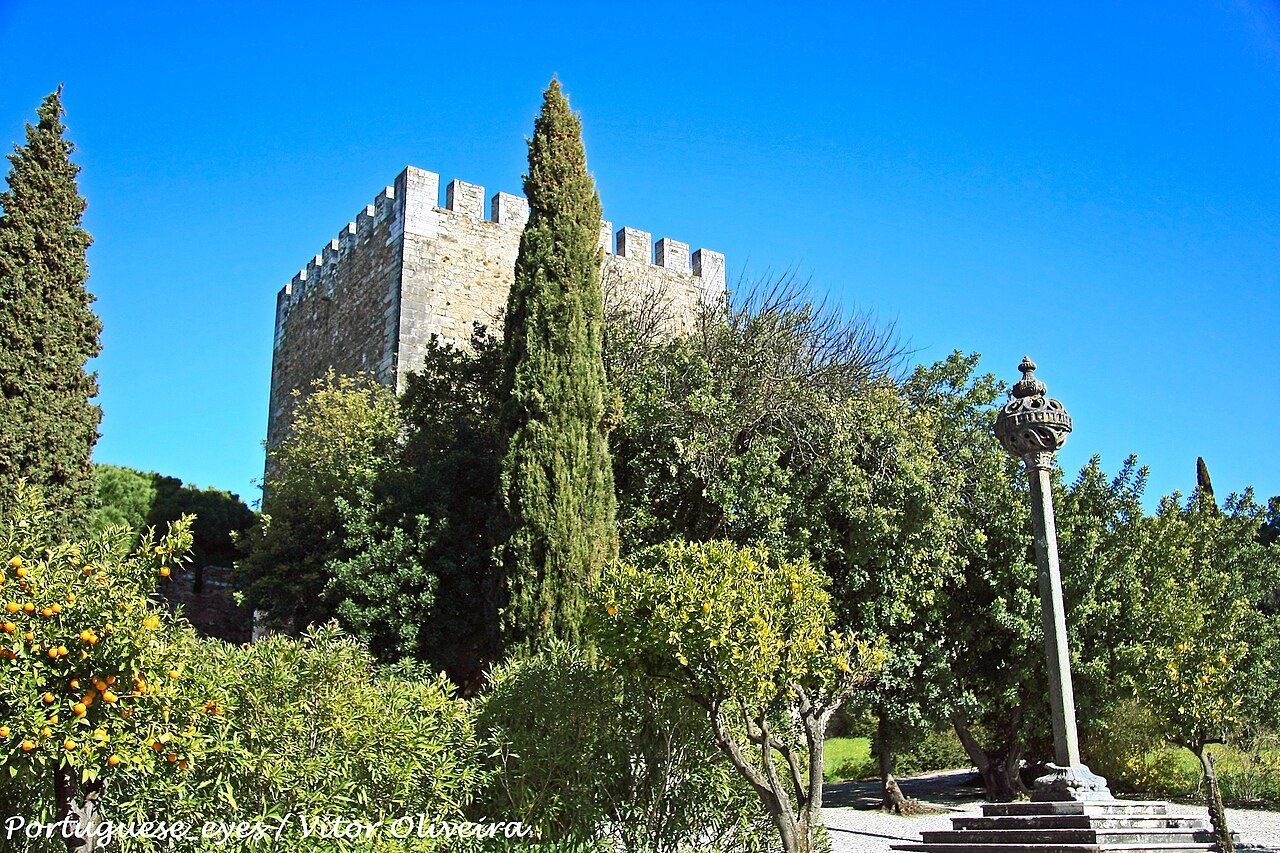
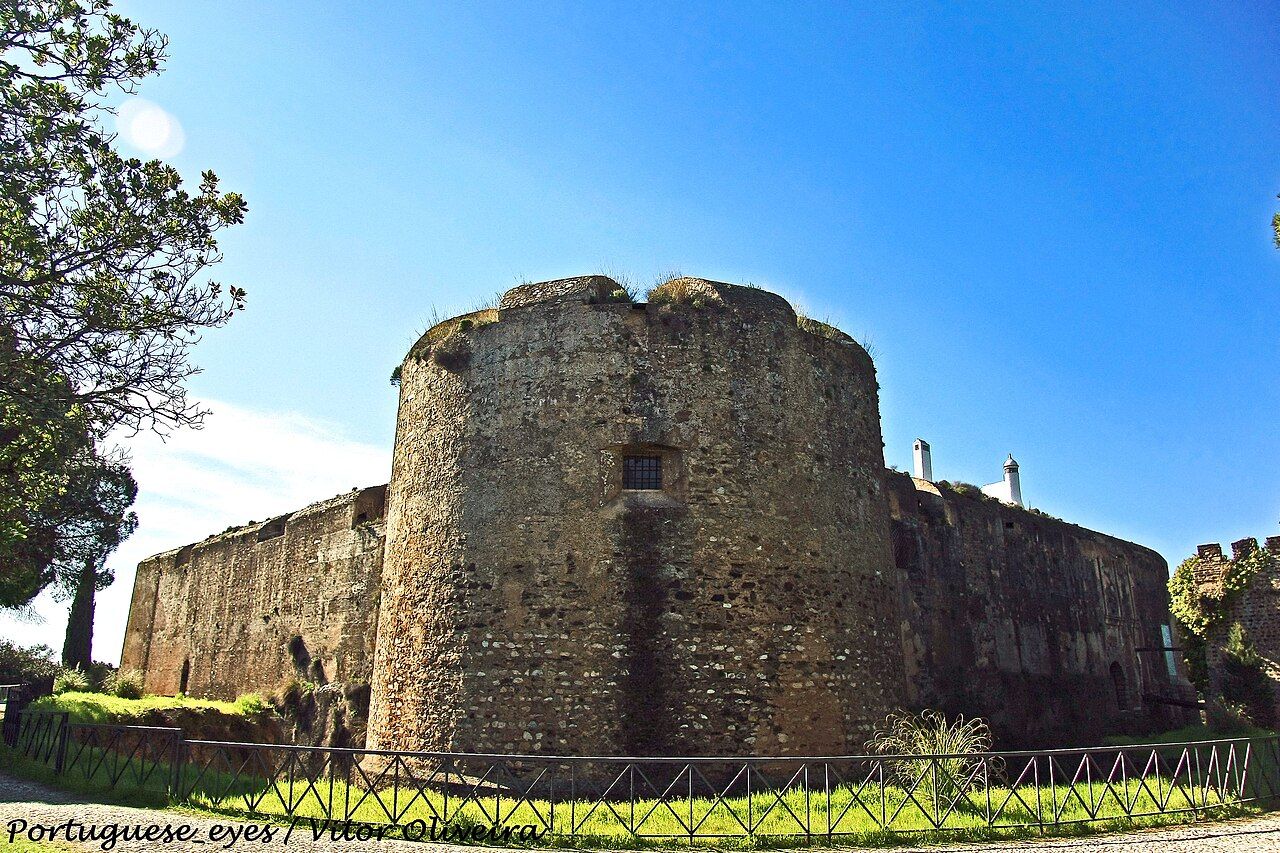
The castle crowns the rise over the town, with a small walled quarter gathered around it. The climb is the point: the streets rise towards a distinct little world, and the walls give the castle quarter a shape of its own. The castle was remodelled for artillery in the early 16th century under the Dukes of Braganza. It now houses a hunting museum and an archaeology museum, so there is more to it than a commanding outline on the hill. I would give the quarter time rather than treating the castle as a quick look and a reason to turn straight back downhill.
What is inside the walls?
The Sanctuary of Nossa Senhora da Conceição stands within the walled quarter and is the town’s main church. Its importance is not just architectural. In 1646, King João IV proclaimed Our Lady of the Conception patroness and queen of Portugal here, and offered his crown to her image. After that, the kings of Portugal no longer wore the crown at their acclamation. It is a striking story to meet in a church within the castle walls: a crown laid down, and a change that continued beyond the moment itself. I would put this visit ahead of a quick circuit of the fortifications; the story gives the quarter its strongest human detail.
What should I look for at the gate?
The Porta dos Nós is carved with stone knots, the emblem of the Braganza family. It is a fine detail to look for rather than merely pass through: the knots make the family emblem part of the stonework, and give the gate a character quite different from the broad, practical idea of a castle entrance. The Braganza name belongs to the castle’s history, too, so the carved emblem feels at home here. I like this kind of detail more than a grand account of military purpose. It asks for a moment of attention, not a long explanation.
Where does the marble show best?
The Praça da República is a long square lined with orange trees, sloping up towards the castle. It makes a natural line between the town and the hill, but I would not leave the marble hunt to the square alone. Keep an eye on ordinary houses: their doorframes, steps and window surrounds are cut from white marble, and even the pavements and kerbs are often marble. The stone is not a flourish added to a few important buildings; it threads through the everyday fabric. It is also the detail that sends my thoughts towards the marble quarries, though the streets themselves are the reason I linger.
Vila Viçosa is at its best when the castle, church and streets are taken together: the hill gives the town its shape, the church gives it a remarkable royal story, and the marble makes even the kerbs worth a look. I’d take the streets over a hurried castle visit every time.
Photos by Alvesgaspar, CC BY-SA 3.0