Marble towns
North of Alandroal, Vila Viçosa, Borba and Estremoz sit on a belt of fine marble, used here for palace façades as readily as doorsteps, kerbs and pavements. Estremoz has its Saturday market and painted clay figures; Redondo its potters. Vila Viçosa’s royal history gives the marble a grander counterpoint.
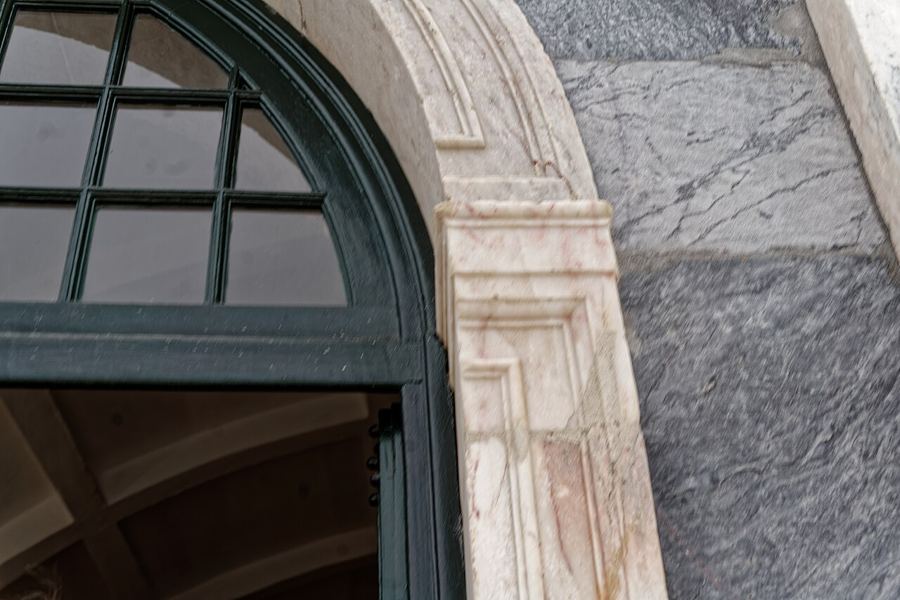 The Ducal Palace of Vila ViçosaA marble facade, a royal square and rooms kept close to their last occupants: the Paço Ducal holds the history of the House of Braganza in domestic detail.
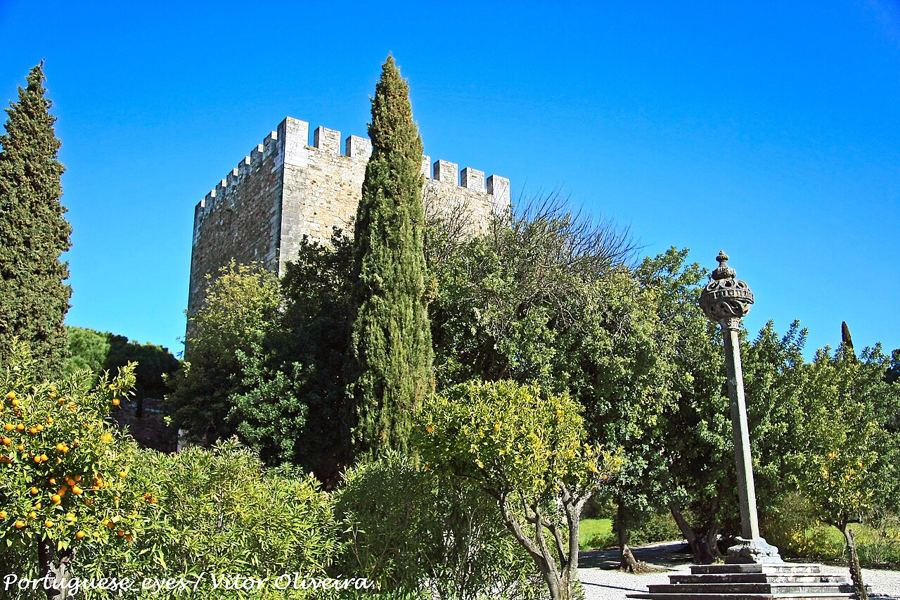 Vila Viçosa: the castle and the marble streetsA climb to the castle quarter leads to a church with a royal story, a gate of stone knots and a town that puts marble underfoot.
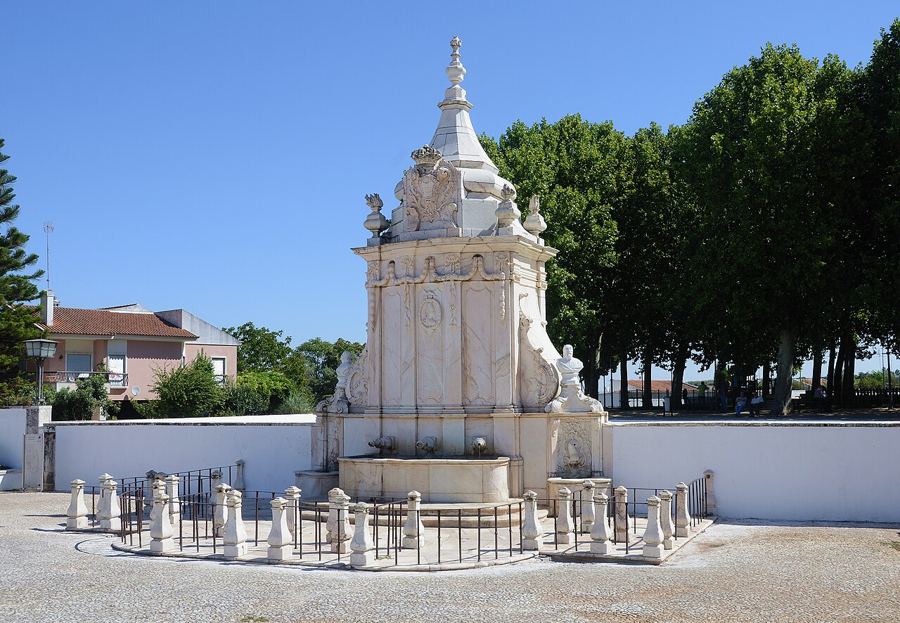 Borba, marble and wineBetween Vila Viçosa and Estremoz, Borba keeps its marble close: in the town centre, in the houses, and in the quarries and vineyards around it.
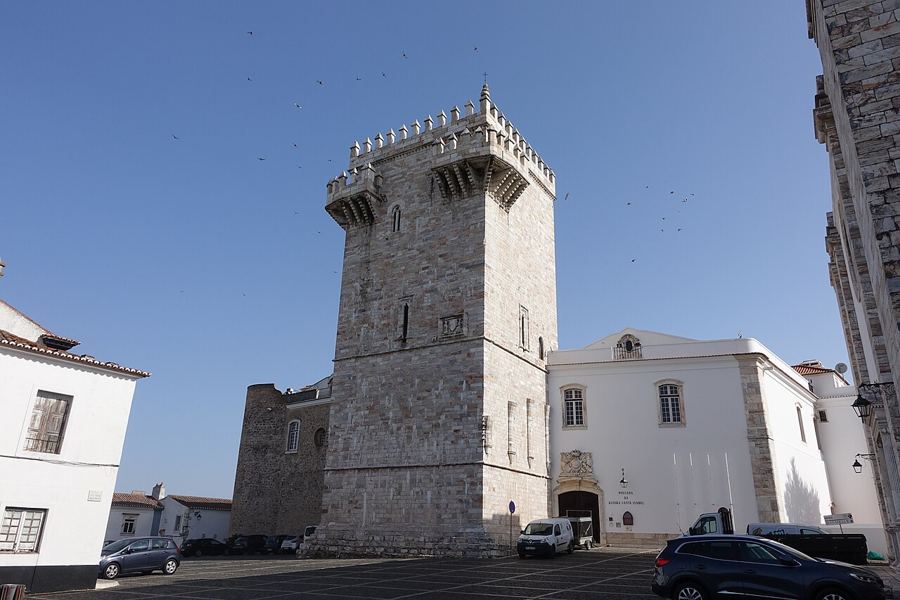 Estremoz and the Tower of the Three CrownsA hill town of two distinct halves: the marble keep and medieval walls above, the broad Rossio and bastioned defences below, with Queen Isabel’s story at the centre.
- Saturday Market on the RossioEstremoz’s big Saturday market brings produce, antiques, pottery and clay figures to its main square. I’d go for the variety, and stay for the slower pace.
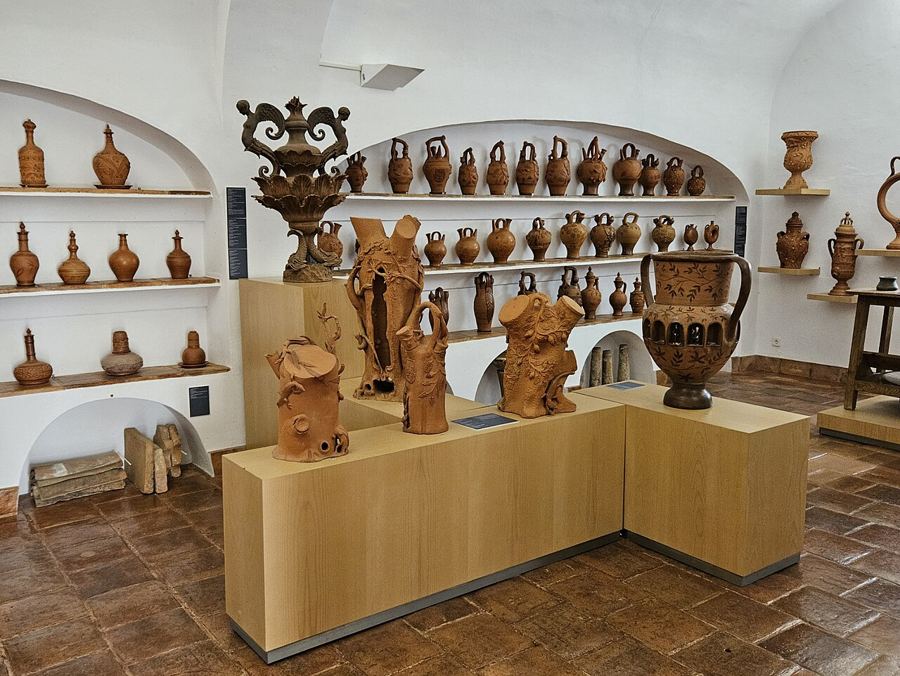 The clay figures of EstremozSaints, farm workers, nativity scenes and the Primavera: Estremoz’s small painted figures have been made by hand for centuries.
- The marble beltBetween Estremoz, Borba and Vila Viçosa, marble is geology, industry and town fabric, best understood from the roads that run beside the quarries.
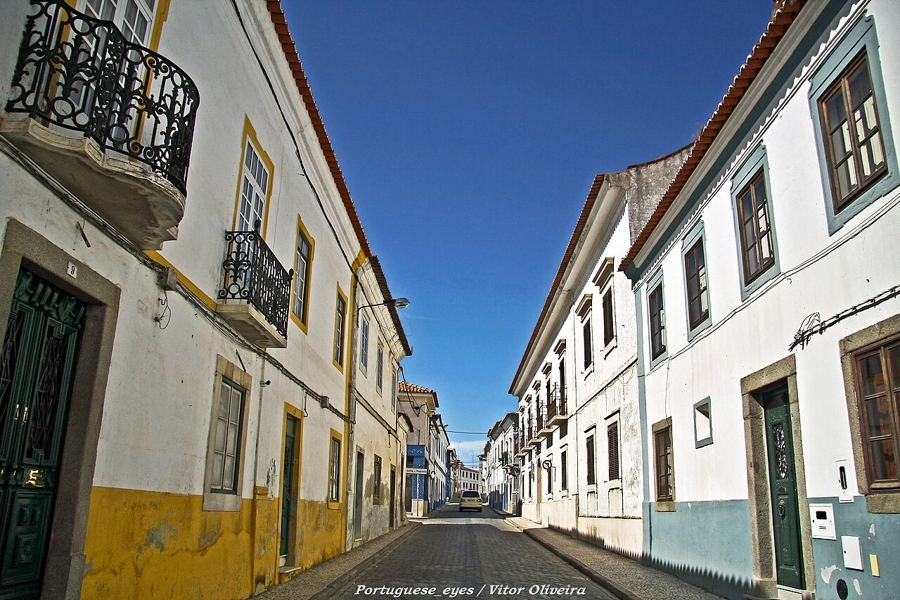 Redondo, potters and paper flowersPainted pottery, wine and the paper-flowered streets of Ruas Floridas give Redondo a character that is unmistakably its own.
Photos by Stephan Hoppe, CC BY 4.0; Vitor Oliveira from Torres Vedras, PORTUGAL, CC BY-SA 2.0; Alvesgaspar, CC BY-SA 3.0; Joseolgon, CC BY-SA 4.0; GualdimG, CC BY-SA 4.0; Vitor Oliveira from Torres Vedras, PORTUGAL, CC BY-SA 2.0