Food and wine
Alentejo cooking grew from frugal country kitchens, where bread, olive oil, garlic and herbs made filling meals. Black pork, lamb, sheep cheese and fresh coriander give the region its defining flavours. Borba, Redondo and Reguengos are nearby DOC Alentejo sub-regions, and wine has been made in clay talhas here since Roman times.
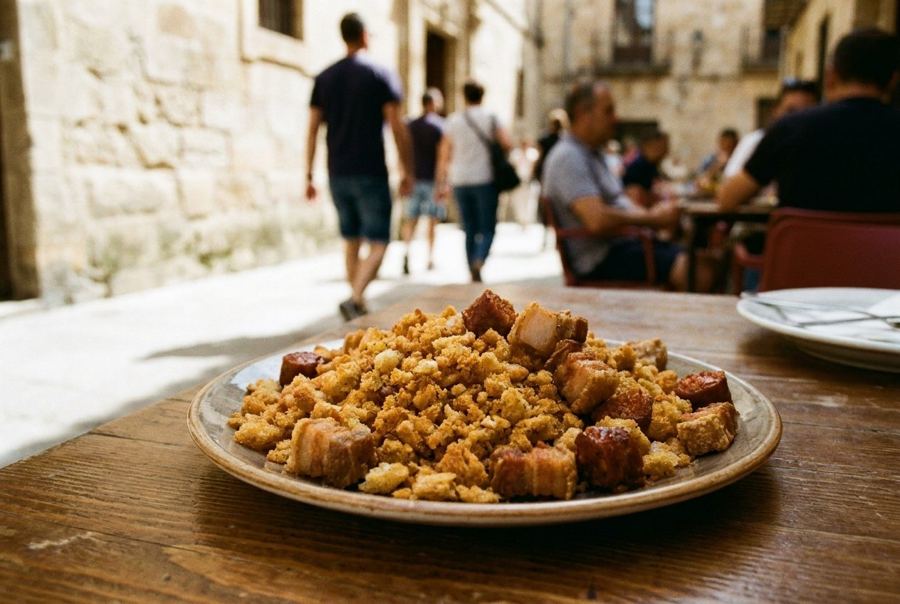 Migas: the Alentejo’s bread dishDay-old bread, garlic and pork fat become a golden, loose roll: a frugal Alentejo side dish with variations made from asparagus, tomato or salt cod.
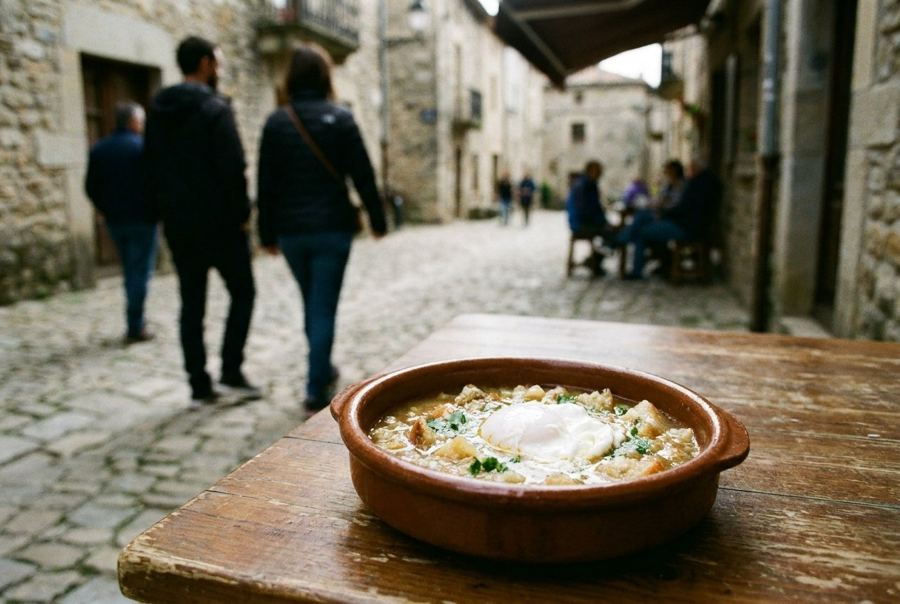 Açorda: bread, garlic and the AlentejoAçorda alentejana is bread soup made with pounded garlic, fresh coriander, salt and olive oil, finished with boiling water and usually a poached egg.
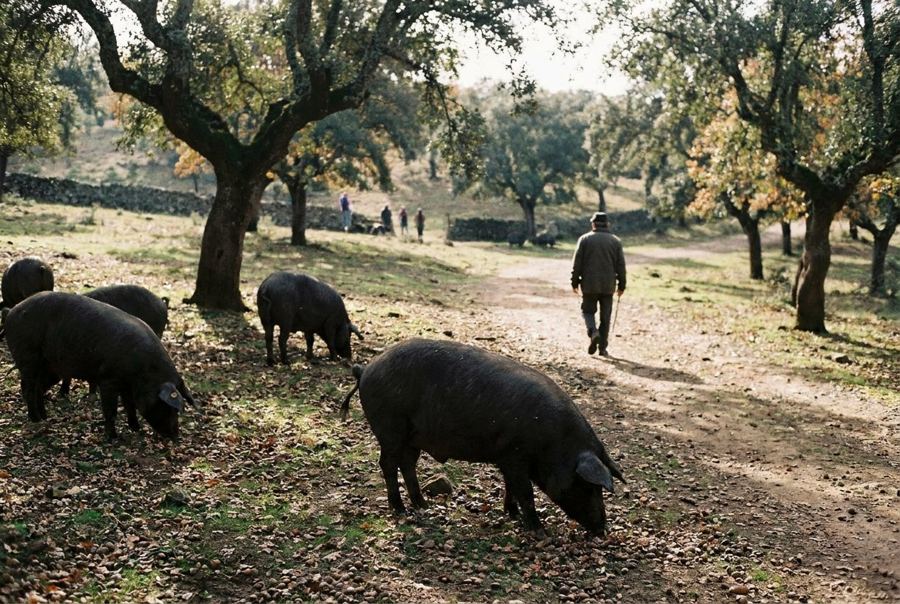 Black pork of the montadoPorco preto is shaped by the trees it feeds beneath, and by the names it carries from the grill to the curing room. I like knowing what each one means.
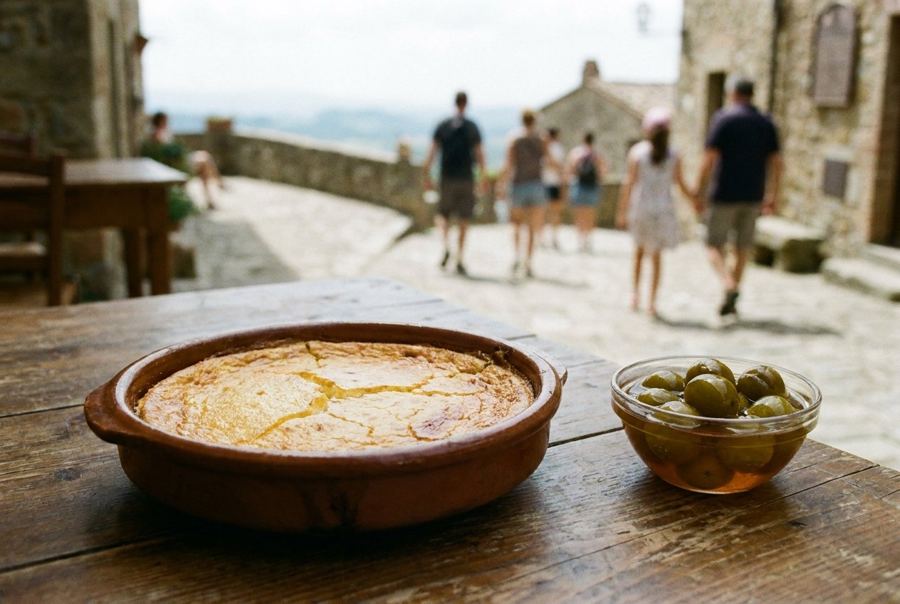 Sericaia and Elvas plums: a sweet pairingA cracked, cinnamon-dusted pudding, Elvas’s preserved green plums and the convent-sweet tradition that gives sericaia its place in Alentejo.
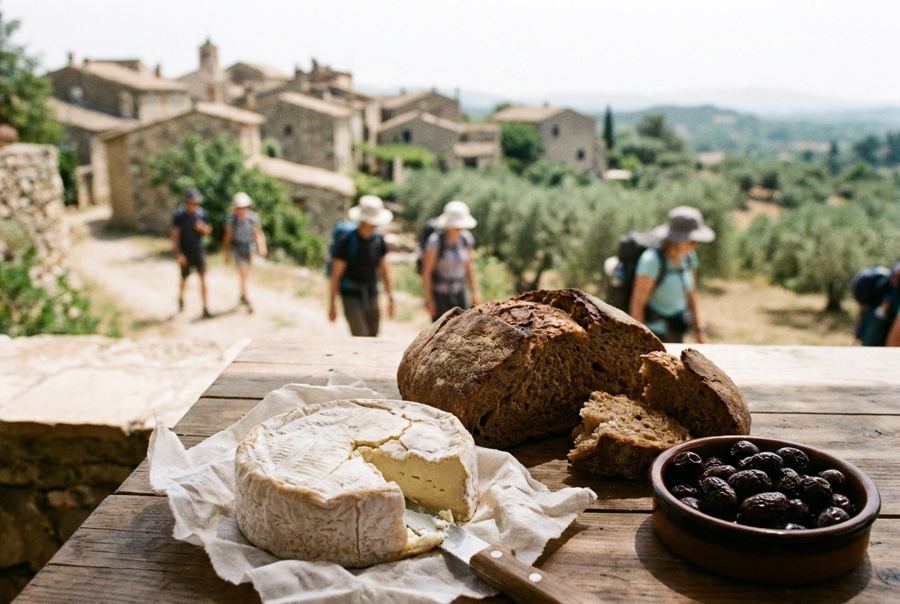 Sheep’s cheese, thistle and the AlentejoÉvora, Serpa and Nisa are all sheep’s cheeses, but their textures differ; cardo gives them a slightly bitter, tangy edge.
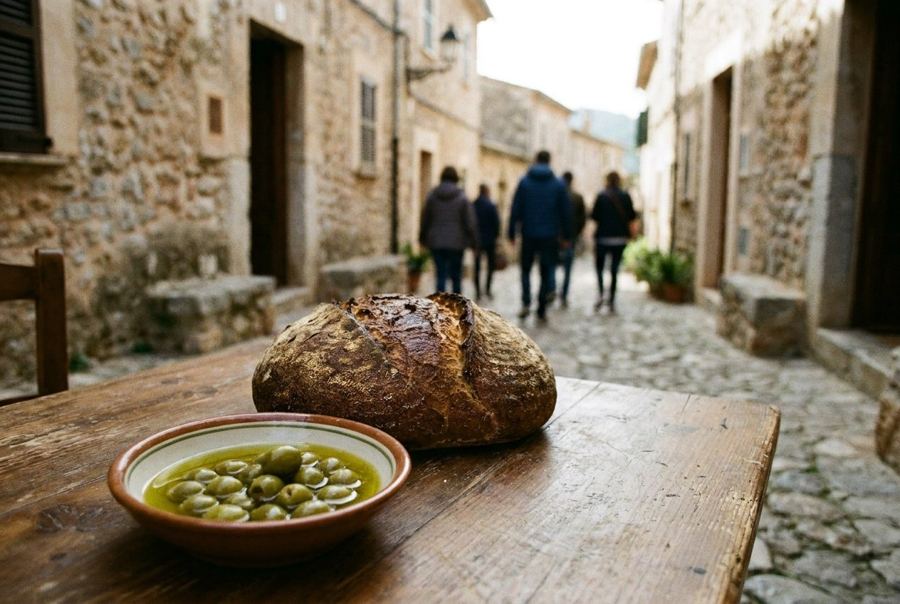 Bread and olive oil in the AlentejoThe round Alentejo loaf and its olive oil are more than a familiar pairing: they form the starting point for cold soup, migas and much of the region’s cooking.
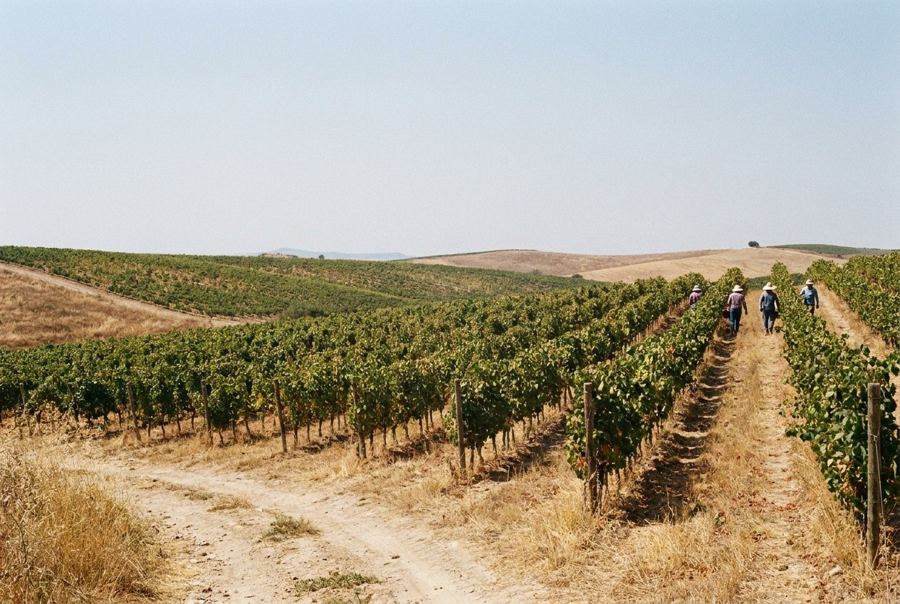 The wines of DOC Alentejo, in eight partsA primer on the region’s eight sub-regions, its grapes and labels, and the heat behind its typically ripe, full-bodied reds.
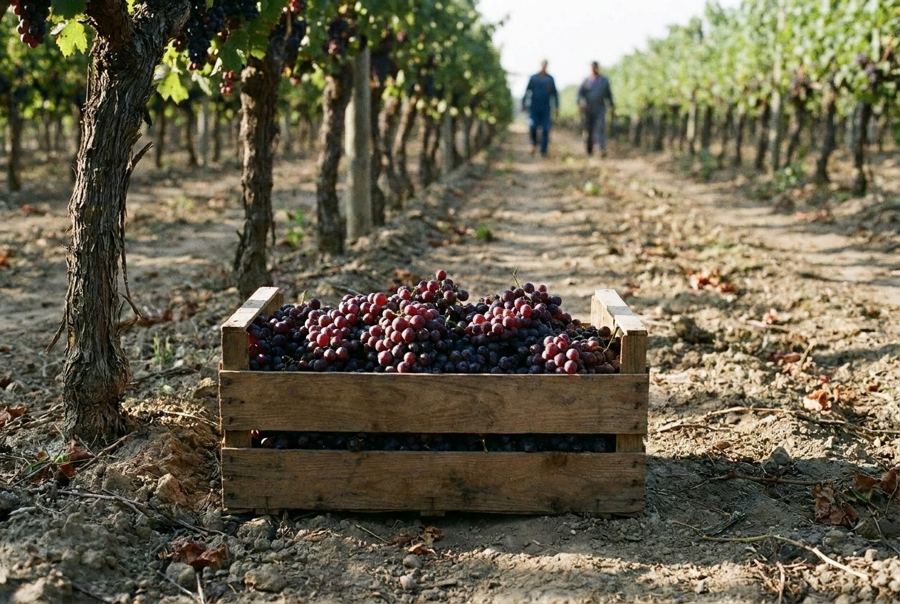 Borba, Redondo and Reguengos: the wine map near AlandroalThree DOC Alentejo sub-regions sit around Alandroal: Borba, Redondo and Reguengos, with distinct settings and a shared landscape of vineyards, olive groves and holm oak pasture.
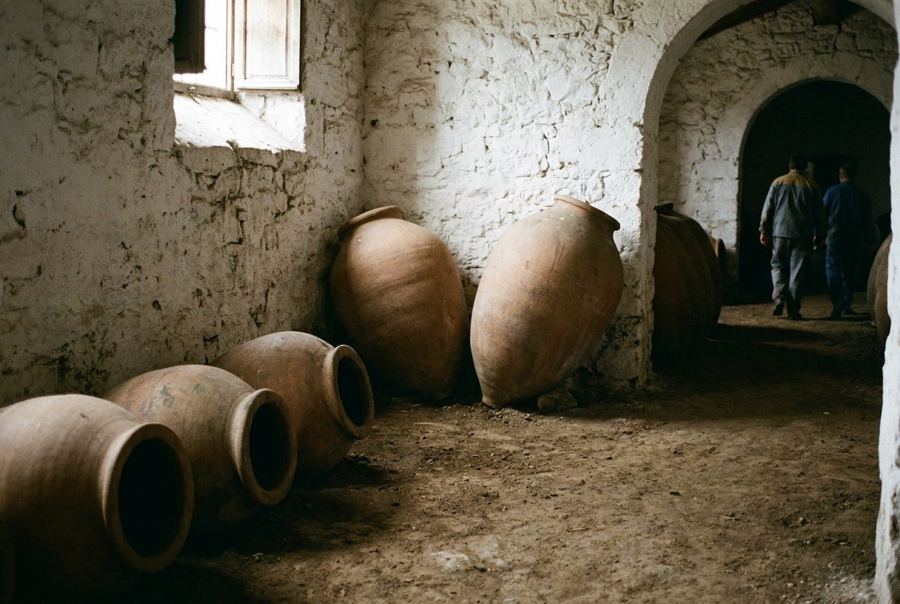 Talha Wine, Made in ClayA Roman-era way of making wine still lives in the Alentejo, where grapes ferment in clay jars and the new talha is traditionally opened on St Martin’s Day.