I have a habit of counting steps, and the raia makes me think about what a border asks people to count: crossings, risks, and the distance between one side and the other. It is the Portuguese word for the border strip with Spain; in Spanish, it is La Raya. The words sound like a line. Life there has always sounded less tidy.
What was the raia?
The border between Portugal and Spain has stayed largely the same since the Treaty of Alcañices in 1297. That gives the frontier a long, settled outline, but not a simple life. Families on both sides have long intermarried and traded at each other's fairs. A boundary can be fixed on a map and still be crossed in the ordinary business of living.
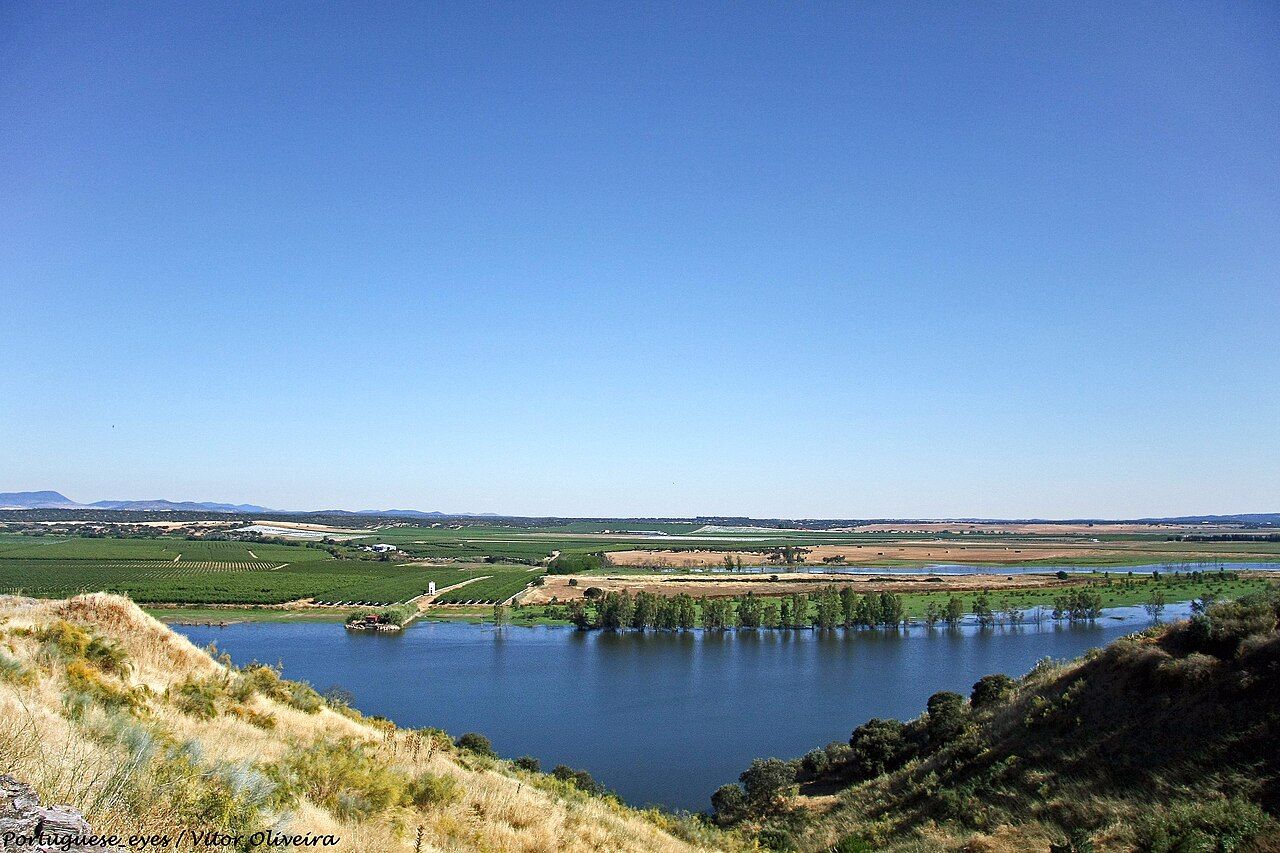
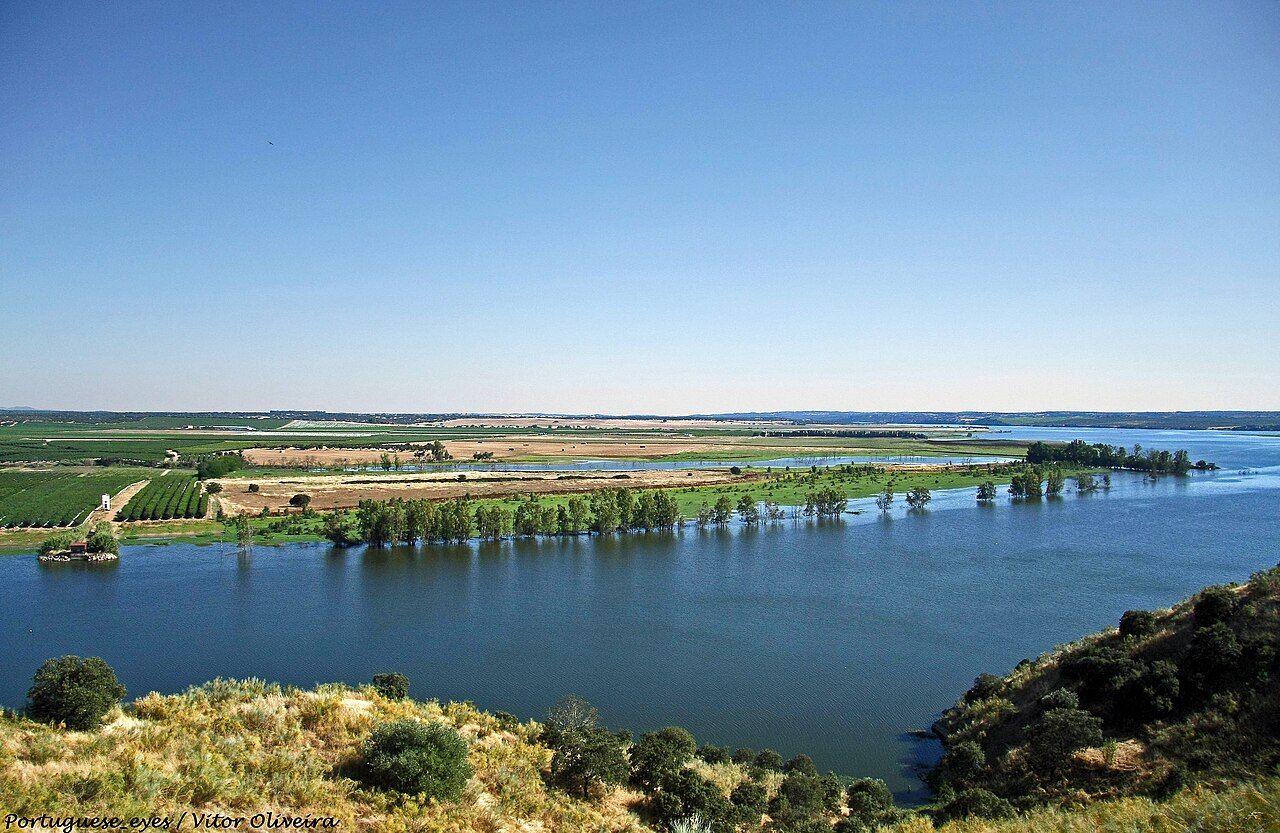
At the Guadiana, the border is a river border, and the river belongs in any account of how people made their lives there. The raia was not just a distant political idea. It was close enough to shape what could be carried, where people went, and what a crossing might mean.
What was smuggled?
In the 20th century, smuggling goods such as coffee and tobacco across the Guadiana was part of life in border villages. I find the plainness of that phrase telling: part of life. It was not an occasional tale from some separate world, but one of the things that belonged to life beside the border. The Guadiana could be a boundary and a route at the same time.
There is no need to make smuggling sound glamorous. It gives the raia its edge, but the more revealing detail is how it sits beside families who crossed for fairs and had kin on the other side. I would keep that contrast in view when thinking about a trip to Badajoz: this is a border story, not simply a story of lines and guards.
Who watched the border?
The Guarda Fiscal patrolled the Portuguese side of the border until it was merged into the national guard in 1993. That is a direct reminder that the frontier was watched, not merely drawn. For people whose lives involved crossing or trading, the presence of patrols must have been part of what made the border real; the facts do not tell me what each crossing felt like, so I won't pretend to know.
In 1936, during the Spanish Civil War, refugees crossed into Portugal at Barrancos further south. It is a different kind of crossing from carrying coffee or tobacco, and it deserves to be kept distinct. The raia could be a place of exchange, but it could also be a route out of danger.
When did the frontier open up?
Portugal and Spain joined the European Communities together in 1986. Border controls between the two countries ended when the Schengen agreement took effect in 1995. These dates matter because they mark a change in how the frontier worked, not the disappearance of the frontier itself. The Guadiana remained a river border; what changed was the system of controls between the two countries.
The opening also makes a useful counterpoint to the older picture of patrols and smuggling. I prefer the history when it holds both versions together: the watched border and the one people crossed for work, trade, family and safety. Neither cancels the other out.
What remains of the raia?
Older people in Olivenza still speak a local form of Portuguese. I like that detail because it makes the border's history audible, not just something to point out on a map. Families on both sides have long intermarried and traded at each other's fairs, while the languages and customs have not neatly stopped at the line.
Spain is one hour ahead of Portugal, so the clocks change on crossing the border. It is a small practical fact, but a good one to finish on: even now, the raia has a way of making a boundary noticeable.
To me, the raia is most interesting where the line holds and life keeps crossing it.
Photos by Tiago Miranda from Valongo, Portugal, CC BY 2.0