In 1646, João IV offered his crown to Our Lady of the Conception in Vila Viçosa. I like the sheer clarity of that gesture: a king, a crown, and the place where his family had made its seat. The House of Braganza’s story is not just a march from dukes to kings. Vila Viçosa stays in the frame throughout.
Who began the House of Braganza?
Afonso, a son of King João I, founded the House of Braganza and became its first duke in 1442. That is a neat beginning, but what interests me more is how firmly the family’s fortunes became attached to Vila Viçosa. The dukes made it their main seat, rather than leaving the town as a footnote to their titles. It gives the story a focus: a family, a place, and a long succession of changes in rank.
What did the dukes leave in Vila Viçosa?
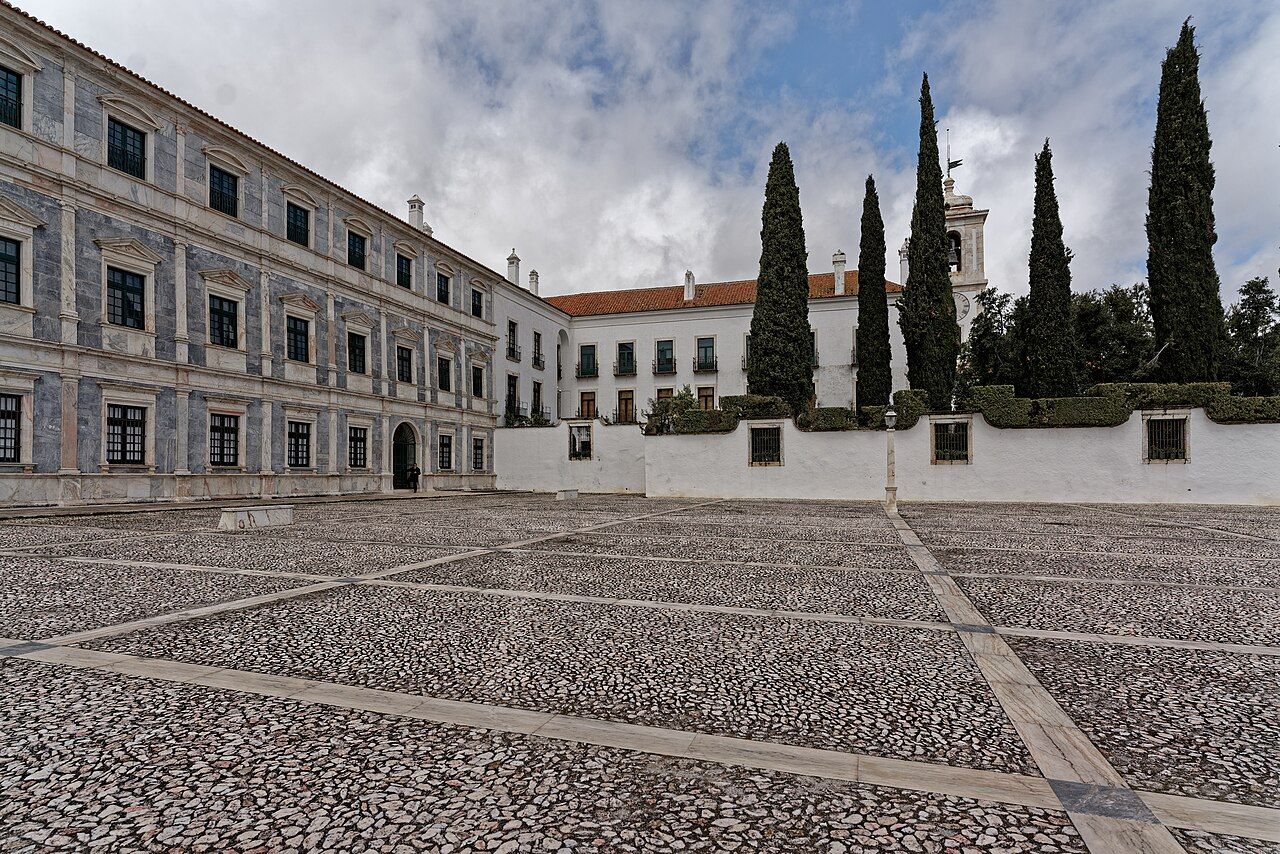
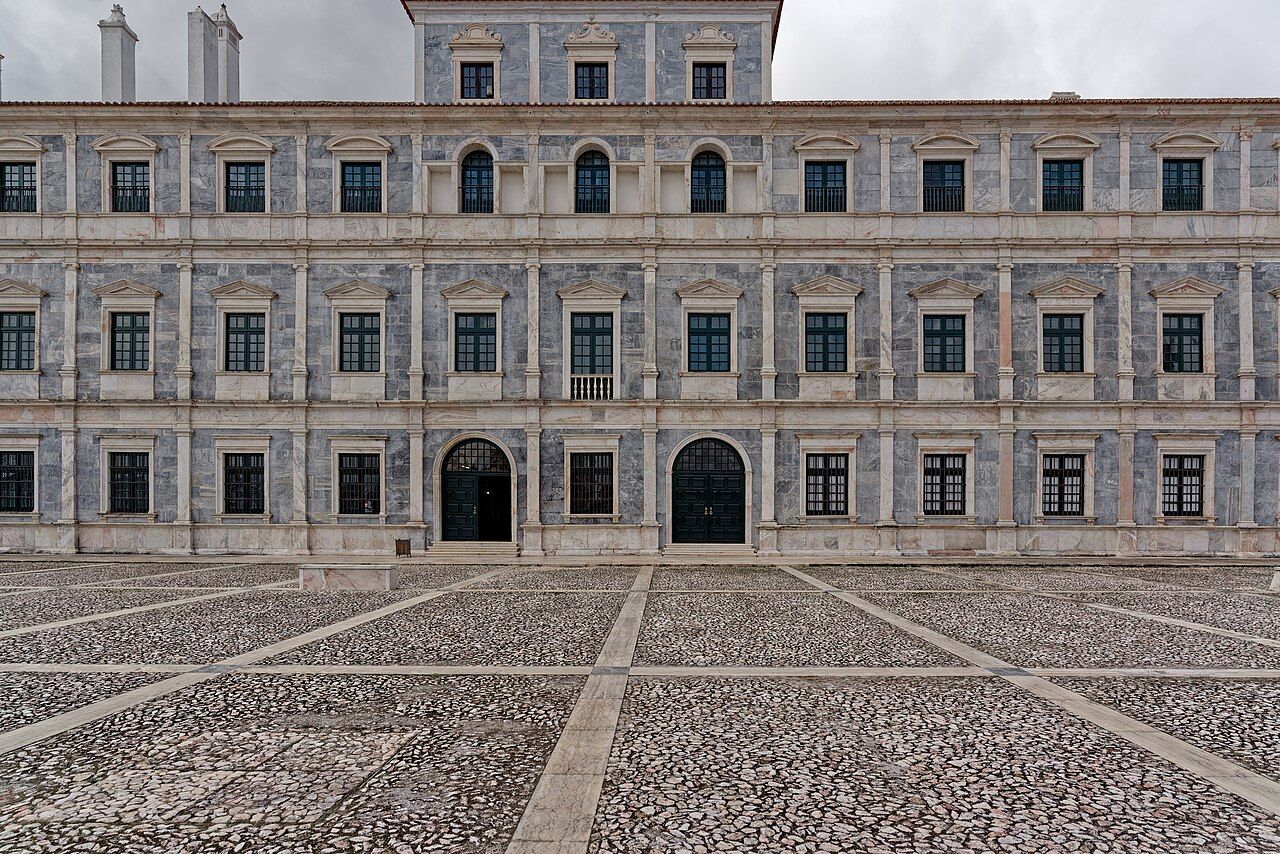
Jaime, the fourth duke, began the Ducal Palace in 1501. The palace is the obvious place to follow the family’s local story, and I’d start there rather than trying to keep every duke in a tidy line in my head. The titles matter, of course; the building makes the family’s presence in Vila Viçosa feel less abstract. The dukes are buried in the Igreja dos Agostinhos in Vila Viçosa, another close tie between the family and its seat.
How did the dukes become kings?
In 1640, the eighth duke was acclaimed King João IV of Portugal. The move from duke to king is the hinge of the whole story, and it is hard to beat the detail that, six years later, João IV offered his crown in Vila Viçosa. I find that more memorable than a bare list of titles. The crown made him king; the offering brings the story back to the family’s own town.
Did the family rule anywhere else?
Yes. A branch of the family ruled Brazil as emperors after its independence, beginning with Pedro I. That expansion gives the name a reach well beyond Vila Viçosa, but I still think the town is the better place to understand the family. It was their main seat, and the palace begun by Jaime gives the story a particular address. The branch that ruled Brazil adds scale; it doesn’t dislodge the place where the dukes made their home base.
How did their rule in Portugal end?
King Carlos I and his heir Luís Filipe were killed in Lisbon on 1 February 1908, returning from Vila Viçosa. The family ruled Portugal until the Republic was declared on 5 October 1910. Those dates bring the family’s political story to a sharp close, though not its personal one. Manuel II, the last king, died in exile in 1932. I wouldn’t call this a gentle ending, and there is no need to dress it up as one.
What became of the palace?
The Fundação da Casa de Bragança was set up in 1933 under Manuel II’s will and runs the palace. That link between the last king and the place that had been the dukes’ main seat feels like the right final turn. The family’s rise took it from Afonso, first duke, to kings of Portugal and emperors of Brazil; its story in Vila Viçosa remains easier to hold on to than any grand dynastic summary.
For me, the House of Braganza makes most sense in Vila Viçosa: dukes first, kings after.
Photos by Vitor Oliveira from Torres Vedras, PORTUGAL, CC BY-SA 2.0